
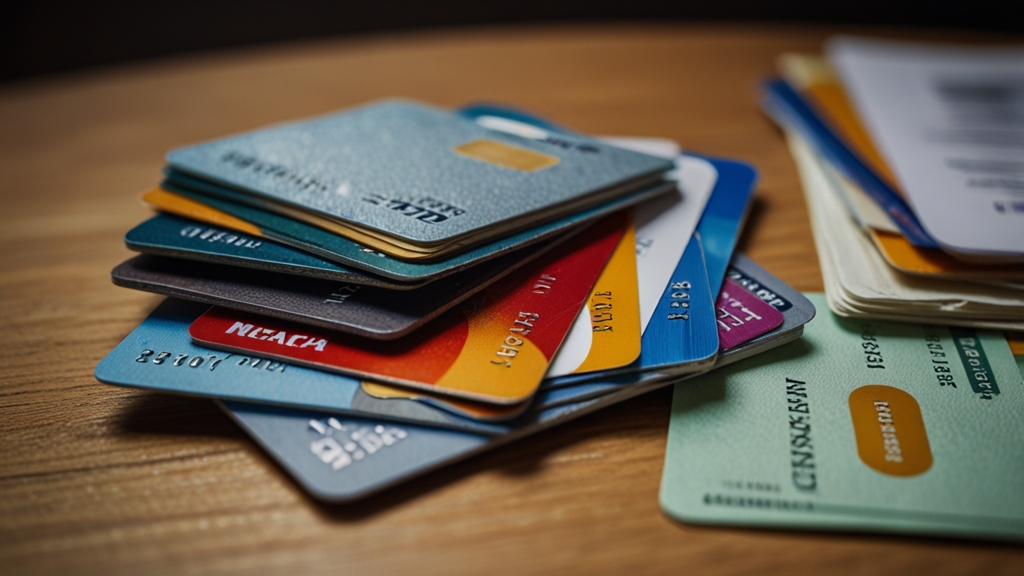
What Is a Credit Card and How to Use It Wisely
A credit card is a financial tool that allows you to borrow money from a card issuer to make purchases. Instead of paying with cash immediately, you receive a bill at the end of the billing cycle and have the option to pay the full balance or a minimum amount. Understanding what a credit card is and how to use it wisely is essential for building good financial habits and maintaining a healthy credit score.
Understanding the Basics of a Credit Card
At its core, a credit card is a payment method that works on a principle of deferred payment. When you use a credit card, the issuing bank or financial institution pays the merchant on your behalf. You then owe that amount to the card issuer. This differs fundamentally from debit cards, which draw directly from your bank account.
Credit card issuers determine your credit limit based on factors such as your credit history, income, and creditworthiness. For example, a person in the United States might receive a credit limit of $5,000, while someone in Europe could have a limit of €4,500. This limit represents the maximum amount you can borrow on that particular card.
Key Components of Credit Card Terminology
- Annual Percentage Rate (APR): The yearly interest rate charged on outstanding balances, typically ranging from 12% to 25% depending on creditworthiness and region
- Grace Period: A interest-free window, usually 21-25 days, during which you can pay your balance without incurring interest charges
- Minimum Payment: The smallest amount you must pay by the due date to keep your account in good standing
- Credit Utilization Ratio: The percentage of your available credit that you are currently using
- Annual Fee: A yearly charge some cards impose, ranging from $0 to $500 USD or €0 to €450 EUR
How to Use a Credit Card Wisely
Using a credit card wisely requires discipline and financial planning. The fundamental principle is to treat your credit card like debit card money you actually have, rather than borrowed funds that appear unlimited. This mindset shift is crucial for responsible credit card usage.
Pay Your Full Balance Each Month
The most important strategy for using a credit card wisely is paying your entire balance each month before the grace period ends. If you carry a balance, interest accumulates quickly. For instance, if you have a $2,000 USD balance on a card with a 20% APR and only make minimum payments of $50 per month, you could pay approximately $2,400 in interest charges before the debt is cleared. This demonstrates how rapidly credit card debt can spiral.
By paying your full balance, you avoid interest charges entirely and benefit from the interest-free grace period the card provides. This practice also helps establish a positive payment history, which accounts for 35% of your credit score calculation.
Monitor Your Credit Utilization
Financial experts recommend keeping your credit utilization below 30% of your total available credit. If you have a total credit limit of $10,000 USD across all cards, you should aim to use no more than $3,000 at any given time. This demonstrates to lenders that you can manage credit responsibly and aren’t overly dependent on borrowed funds.
High credit utilization, above 50%, negatively impacts your credit score and suggests financial stress to potential lenders. In European markets, where credit reporting differs slightly, this principle remains equally important for maintaining a healthy financial profile.
Set Up Automatic Payments
One of the wisest ways to use a credit card is by automating your payment process. Setting up automatic payments for at least the full statement balance ensures you never miss a payment deadline. Even a single missed payment can damage your credit score and trigger late fees, often $25-$40 USD per occurrence.
Automatic payments eliminate the risk of human error and provide peace of mind, knowing your credit obligations are being met consistently each month.
Benefits of Using a Credit Card Responsibly
When used wisely, a credit card offers several advantages that cash and debit cards cannot match.
- Rewards and cashback: Many cards offer 1-5% cashback on purchases, meaning you earn money back on spending you would do anyway
- Purchase protection: Credit cards typically offer fraud protection and dispute resolution if unauthorized transactions occur
- Building credit history: Regular, responsible use helps establish a positive credit history necessary for future loans and mortgages
- Emergency funds: Having available credit provides a safety net during unexpected expenses
- Extended warranties: Many cards automatically extend warranties on purchases made with the card
Common Pitfalls to Avoid
Understanding what a credit card can do to your finances requires recognizing common mistakes that lead to debt accumulation.
Carrying a Balance
Carrying a monthly balance is perhaps the most costly mistake. Interest compounds daily, making even small balances expensive over time. A €1,500 balance at 18% APR costs approximately €225 in annual interest charges.
Making Only Minimum Payments
While minimum payments keep your account current, they extend repayment periods dramatically. Making minimum payments on a $5,000 USD balance at 19% APR could take over five years to repay and cost more than $2,600 in interest alone.
Applying for Multiple Cards Simultaneously
Each credit card application triggers a hard inquiry on your credit report, temporarily lowering your score. Multiple applications within a short period suggest financial desperation and make you appear riskier to lenders.
Using Credit Cards for Cash Advances
Cash advances typically carry higher interest rates (often 25-30% APR) and include immediate fees. They bypass the grace period entirely, meaning interest accrues from the transaction date.
Developing a Credit Card Strategy
Creating a personal strategy for how to use a credit card wisely involves several considerations. First, determine whether you have the discipline to pay your full balance monthly. If not, a credit card may not be appropriate for your current financial situation.
Select cards that align with your spending patterns. If you travel frequently, cards with travel rewards make sense. For everyday purchases, cashback cards provide more value. Most people benefit from having one primary card for regular spending rather than multiple cards.
Review your statements regularly to identify fraudulent transactions and track your spending habits. This awareness helps prevent overspending and ensures you catch errors quickly.
Conclusion
A credit card is a powerful financial tool that can build credit and provide benefits when used wisely, or create serious debt problems when misused. The key to using a credit card responsibly is understanding that borrowed money requires repayment with interest. By paying your full balance monthly, monitoring credit utilization, and avoiding common pitfalls, you can leverage credit cards to improve your financial position and creditworthiness.
Whether you’re managing finances in the United States, Europe, or anywhere globally, the principles of responsible credit card use remain consistent. Treat your credit card as a convenience tool rather than an extension of your income, and your financial future will benefit significantly. For more detailed information about credit management, you can consult authoritative financial education resources.